
Women's health
PCOS and Irregular Periods: An Ayurvedic Lifestyle Guide (Ashoka, Kanchnar & More)
PCOS affects an estimated 1 in 10 women of reproductive age. Here is how Ayurveda looks at it, what lifestyle changes help most, and where herbs fit in — safely.
By the PureHeal Ayurveda editorial team
In this article
Irregular periods, stubborn weight gain, acne, unwanted hair, hair thinning, mood swings — if these sound familiar, you may have heard the word PCOS from your doctor or friends. It is one of the most common hormonal conditions in women. The World Health Organization estimates that PCOS affects about 10–13% of women of reproductive age, and that up to 70% of women with it worldwide don't know they have it.
This guide explains PCOS simply, how Ayurveda understands it, and the practical lifestyle steps that matter most. It also covers the classical herbs often discussed — honestly and with the cautions they deserve.
First, what is PCOS (or PMOS)?
Polycystic ovary syndrome is a hormonal condition in which higher-than-normal androgen ("male hormone") levels and other hormonal imbalances can lead to irregular or missed periods, irregular ovulation, acne, excess facial or body hair, hair thinning and difficulty getting pregnant. It is also linked with insulin resistance, a higher risk of type 2 diabetes and weight gain.
You may also see a newer name: the NHS now uses polyendocrine metabolic ovarian syndrome (PMOS), reflecting that the condition is about hormones and metabolism, not only ovarian "cysts".
Important: irregular periods have many possible causes — thyroid problems, high prolactin, stress, rapid weight change, anaemia, pregnancy and more. PCOS must be diagnosed by a doctor, usually with blood tests and sometimes an ultrasound. Please don't self-diagnose from social media.
How Ayurveda looks at PCOS
Classical Ayurvedic texts don't describe "PCOS" by that name, but Ayurvedic doctors relate its features to conditions such as artava kshaya (scanty or delayed menstruation), anartava (absent periods) and granthi (cyst-like swellings). The pattern is often understood as:
- Kapha imbalance — heaviness, weight gain, sluggish metabolism, "blockage" of channels
- Vata imbalance — irregularity of the cycle
- Weak agni (digestive and metabolic fire) and accumulation of ama, which Ayurveda links to insulin-resistance-like metabolic sluggishness
So the Ayurvedic approach focuses on improving metabolism, clearing Kapha-type heaviness, regularising Vata and supporting the reproductive system — largely through diet and lifestyle, with herbs and therapies chosen by a physician.
What does research say? A 2023 scoping review of Ayurveda studies in women with PCOS found 57 studies — mostly case reports and small trials from India — with a "promising role" for symptom management, but called for better-quality research (Rao et al., 2023). In other words: encouraging, but not yet strong evidence.
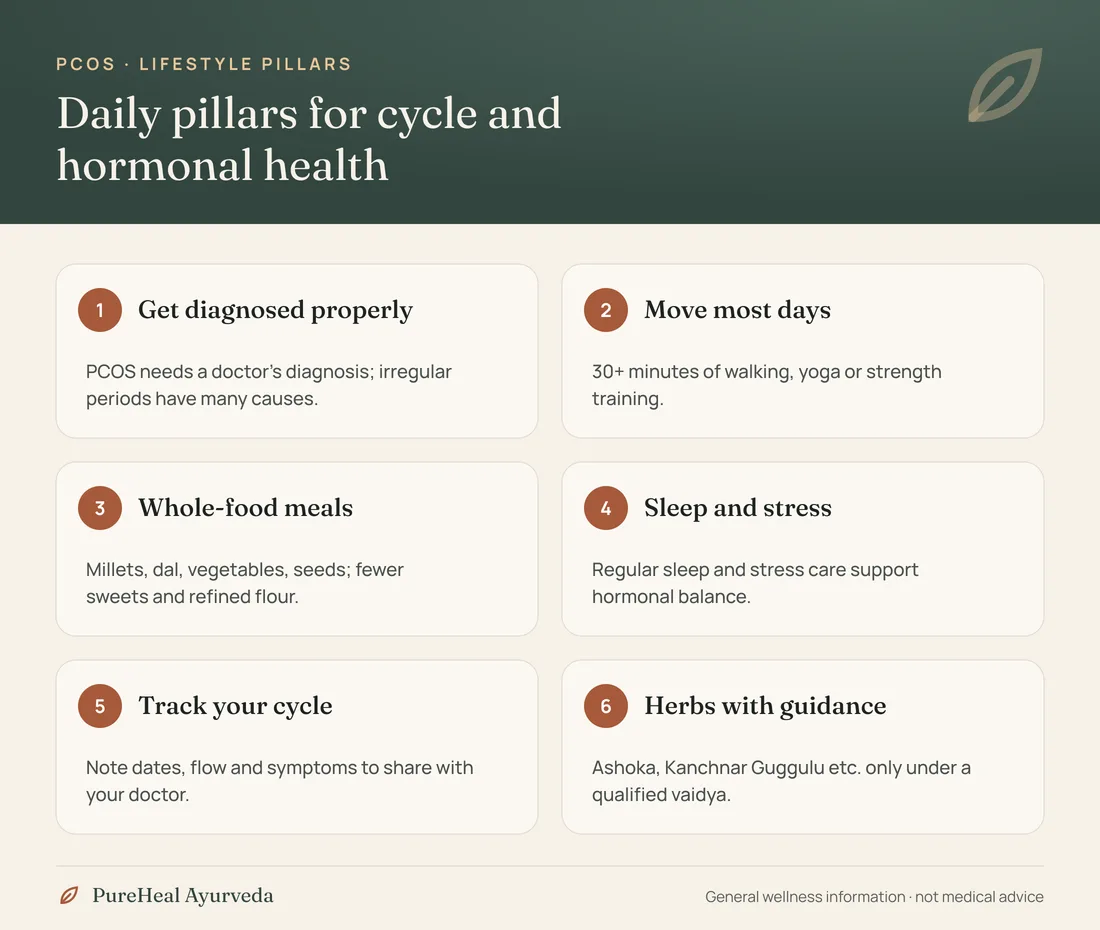
The lifestyle pillars (these matter most)
Both modern guidelines and Ayurveda agree that lifestyle is the foundation of PCOS care. The NHS lists a healthy balanced diet, regular exercise and weight management as key self-help steps.
1. Move your body most days
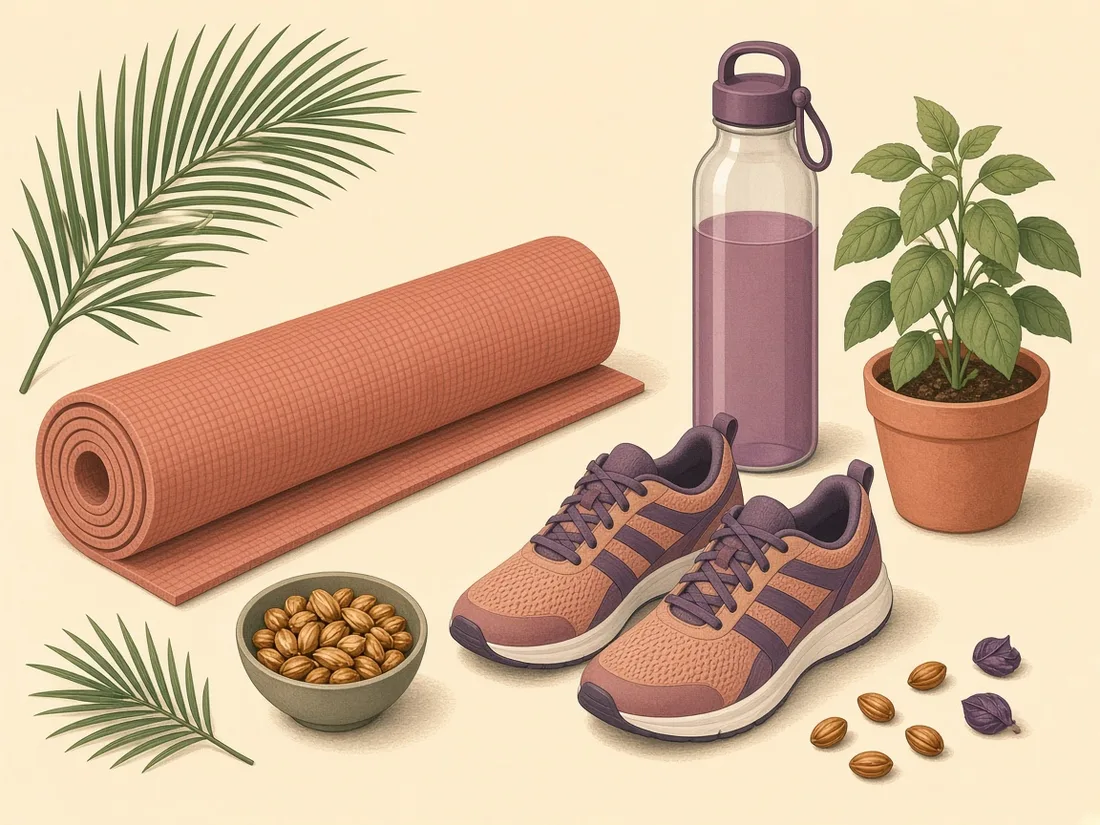
Aim for at least 30 minutes of activity on most days — brisk walking, yoga, dancing, cycling or strength training. Ayurveda considers regular exercise (vyayama) one of the best ways to reduce Kapha. Strength training is especially helpful for insulin sensitivity. Yoga practices like surya namaskar are popular and accessible.
2. Eat whole, home-cooked food
- Base meals on whole grains and millets (jowar, bajra, ragi, brown rice), dal and legumes, and plenty of vegetables.
- Add protein at every meal — dal, paneer, curd, eggs, sprouts — to keep you full and steady blood sugar.
- Limit refined flour, sugar, sweets and sugary drinks, which Ayurveda also considers Kapha-increasing.
- Use digestive spices — jeera, methi, haldi, ginger, cinnamon — in cooking.
- Eat at regular times, make lunch the main meal and keep dinner light and early.
3. Sleep and stress
Poor sleep and chronic stress disturb hormones and appetite. Aim for 7–9 hours with a regular routine (see our sleep guide). Pranayama, meditation and time outdoors help. PCOS can also affect mood — if you feel low or anxious, please talk to someone and a doctor.
4. Track your cycle
Note period dates, flow, pain and symptoms in an app or diary. This helps your doctor see patterns and judge whether treatment is working.
Herbs traditionally used — and how to approach them
Ayurvedic doctors may recommend classical formulations depending on your symptoms and constitution. Here are some commonly discussed ones:
| Formulation | Traditional use in Ayurveda |
|---|---|
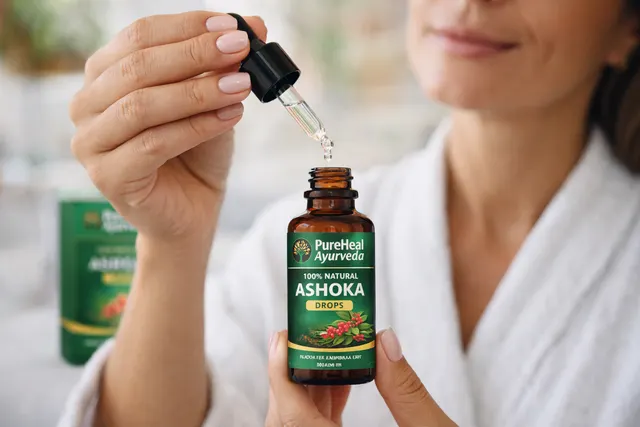
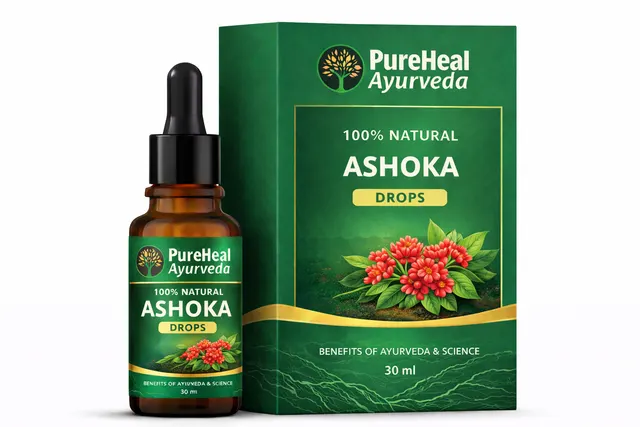
| Ashoka (Saraca asoca) | The best-known "women's tree" in Ayurveda; traditionally used for menstrual and uterine health (review) |
| Kanchnar Guggulu | Classical formula traditionally used for granthi (cystic swellings), thyroid swellings and Kapha accumulation |
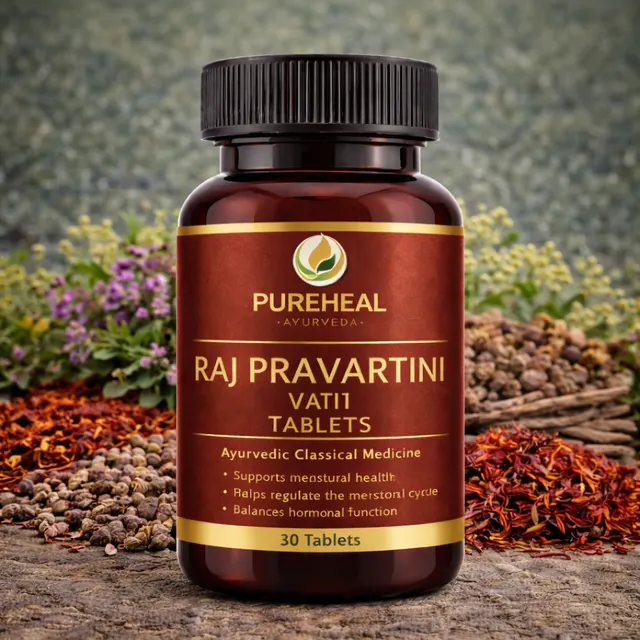
| Raj Pravartini Vati | Traditionally used for scanty or delayed periods and menstrual discomfort |
| Shatavari | Traditional female reproductive tonic |
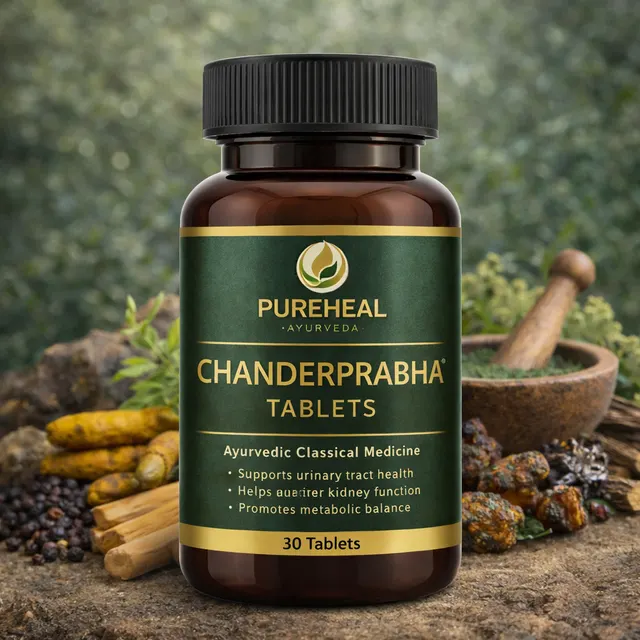
| Chandraprabha Vati | Traditionally used for urinary and reproductive support |
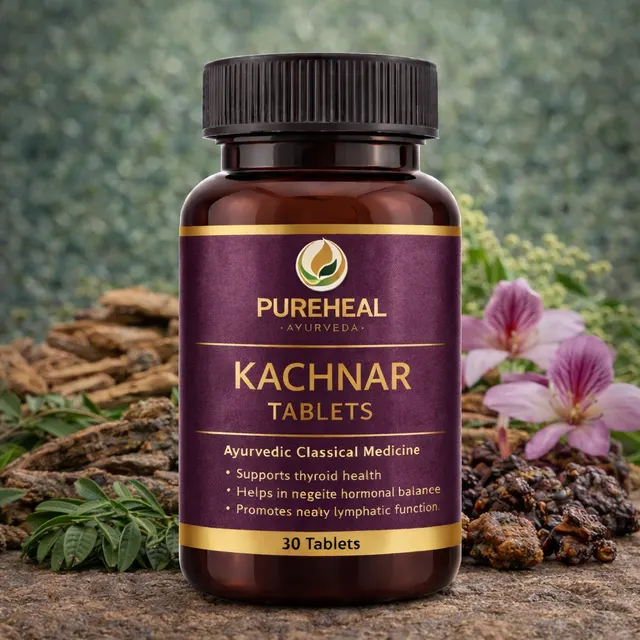
PureHeal carries Ashoka Drops, Kanchnar Guggul and Raj Pravartini Vati. However, we want to be clear:
- Don't self-prescribe these for PCOS. Some (like Raj Pravartini Vati) are traditionally meant to bring on menstruation and are not safe if there is any chance of pregnancy.
- Get a proper diagnosis first. If your irregular periods are caused by thyroid disease or another condition, herbs aimed at PCOS won't address it.
- Tell your gynaecologist about any herbs you take, especially if you're on hormonal pills, metformin, fertility treatment or thyroid medicine.
- Avoid during pregnancy, while trying to conceive (unless prescribed), and while breastfeeding.
- Herbal care should be monitored — with follow-up blood tests and cycle tracking — not continued indefinitely without review.
The best approach many women find is integrative: a gynaecologist or endocrinologist for diagnosis and monitoring, a qualified Ayurvedic doctor (BAMS/MD Ayurveda) for diet, lifestyle and classical formulations, and both kept informed.
When to see a doctor urgently
Please see a doctor promptly if you have:
- No periods for three months or more (and you're not pregnant)
- Very heavy bleeding, bleeding between periods or after sex
- Severe pelvic pain
- Rapid hair growth with a deepening voice
- Signs of high blood sugar — excessive thirst, frequent urination, unexplained weight loss
The NHS guide on periods explains what's typical and when to get help.
Frequently asked questions
Can Ayurveda cure PCOS?
No treatment — Ayurvedic or modern — currently cures PCOS. It is a long-term condition, but symptoms can often be managed well with lifestyle changes, medical treatment and, for some women, Ayurvedic care under a qualified doctor.
Is Ashoka good for irregular periods?
Ashoka (Saraca asoca) is traditionally one of Ayurveda's most important herbs for menstrual and uterine health. Clinical evidence is limited, so it should be used only after a diagnosis and under a qualified Ayurvedic doctor's guidance.
What is the best diet for PCOS according to Ayurveda?
Ayurveda favours warm, home-cooked, Kapha-reducing meals — whole grains and millets, dal, plenty of vegetables, adequate protein and digestive spices — with fewer sweets, refined flour and fried foods, eaten at regular times.
Can I take Kanchnar Guggulu for PCOS on my own?
It's best not to. Kanchnar Guggulu is a classical formula traditionally used for cystic swellings and Kapha imbalance, but dose and suitability vary. Use it only under a qualified Ayurvedic doctor, especially if you have thyroid issues, are pregnant or are trying to conceive.
Sources
- World Health Organization — Polycystic ovary syndrome fact sheet
- NHS — Polyendocrine metabolic ovarian syndrome (PMOS), formerly PCOS and Periods
- Rao VS et al. (2023). A scoping review of Ayurveda studies in women with polycystic ovary syndrome. J Integr Complement Med.
- Urumarudappa SKJ et al. (2023). A comprehensive review on Saraca asoca. J Ethnopharmacol.
Keep reading
Related articles

Sleep & stress
Can't Sleep? 10 Ayurvedic Tips for Better Sleep, Naturally
Late-night scrolling, racing thoughts, 3 am wake-ups — Ayurveda calls it a Vata problem. Here is a calm, practical routine to help you sleep better.
Herbs & formulations
Ashwagandha Benefits: What Ayurveda and Research Say About Stress, Sleep & Strength
India's most famous adaptogen is everywhere — gummies, powders, drops. Here is what ashwagandha can (and can't) do, in plain language.
Herbs & formulations
Triphala Benefits: How to Take Triphala Tablets for Digestion and Gentle Detox
Amla, Haritaki and Bibhitaki — three humble fruits that make one of Ayurveda's most-used formulas. Here is how triphala works and how to take it well.