
Sleep & stress
Brahmi Benefits for Memory, Focus and Exam Stress: A Practical Guide
Board exams, deadlines, brain fog — Brahmi is Ayurveda's classic herb for the mind. Here is what it can do, what research shows and how to use it safely.
By the PureHeal Ayurveda editorial team

In this article
With board exams, entrance tests and year-end deadlines approaching, many families start looking for ways to support focus and calm. One herb that comes up in almost every Indian home conversation about memory is Brahmi. Let's look at what Brahmi really is, what research says, and how to use it sensibly — especially for students.
What is Brahmi?
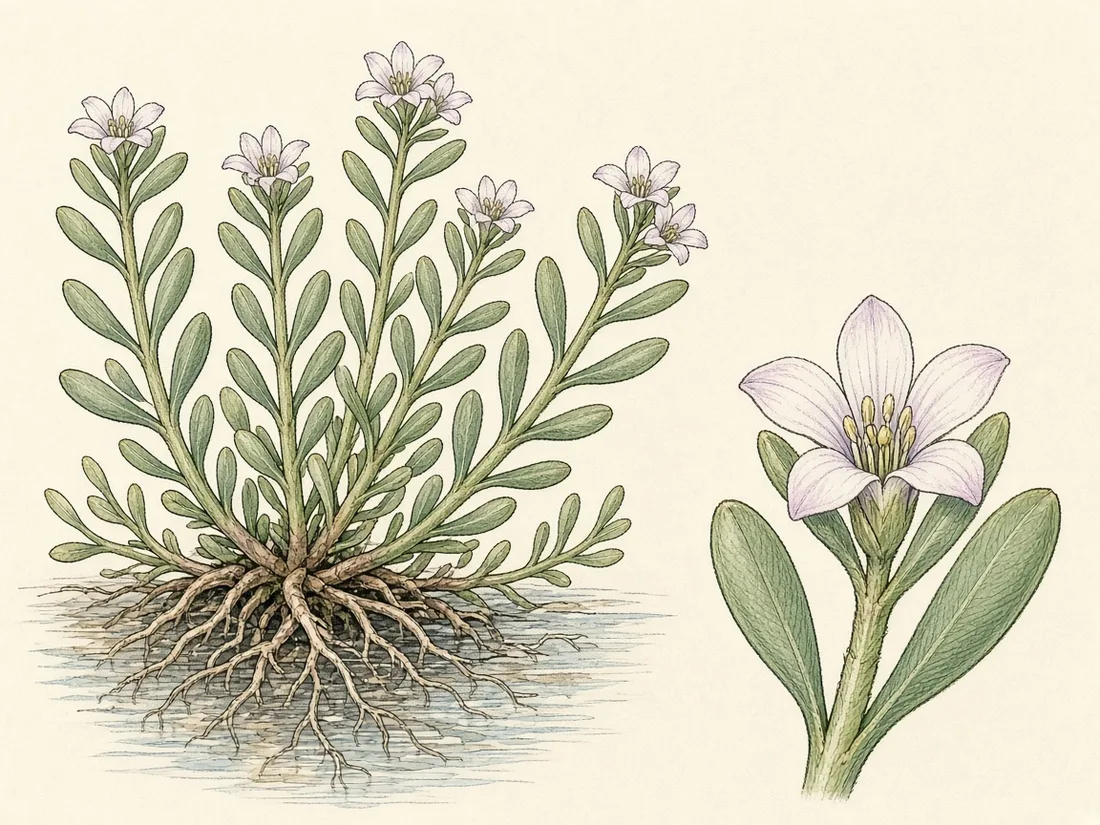
Brahmi usually refers to Bacopa monnieri, a small creeping herb with fleshy leaves and tiny white or pale-lilac flowers that grows in wet, marshy places across India. (In some regions, Centella asiatica — gotu kola or mandukaparni — is also called brahmi, which can cause confusion. Most research and most "Brahmi Vati" products refer to Bacopa.)
The name comes from Brahman, the universal consciousness — a hint at how highly Ayurveda regards it for the mind.
Brahmi in Ayurveda
In Ayurveda, Brahmi is the best-known medhya rasayana — a rejuvenative for the intellect (medha). Classical texts describe it as supporting:
- Dhi — the ability to learn and grasp
- Dhriti — the ability to retain and stay steady
- Smriti — memory and recall
It is traditionally described as cooling and calming, and is used to balance Vata and Pitta — the doshas linked to restlessness, anxiety and mental "heat". It has been used for mental fatigue, poor concentration, stress, disturbed sleep and in combination formulas for many nervous system conditions.
What does research say?
Brahmi is one of the more researched Ayurvedic herbs for cognition:
- A meta-analysis of randomised controlled trials found that Bacopa extract improved some measures of cognition, particularly speed of attention, but concluded that larger, well-designed trials are needed for definitive conclusions (Kongkeaw et al., 2014).
- A 2024 systematic review looked at its possible neuroprotective mechanisms — such as effects on inflammation and oxidative stress — largely from laboratory and animal studies (Valotto Neto et al., 2024).
Two important points from the research: effects are modest, and most studies used standardised extracts for 8–12 weeks. Brahmi is not a quick "smart pill" for the night before an exam.
Potential benefits of Brahmi
1. Memory and learning
This is Brahmi's most famous traditional use and the area with the most research. Studies suggest possible benefits for some aspects of memory and information processing with regular use over several weeks.
2. Focus and attention
The meta-analysis above found improvement in attention speed. For students, that may mean a modest support — alongside, not instead of, good study habits and sleep.
3. Calm under stress
Ayurveda uses Brahmi to settle a restless, anxious mind. Many people use it during stressful periods like exams or demanding work phases. If stress is your main concern, also read our ashwagandha guide — the two herbs are often compared and sometimes combined.
4. Sleep quality
Because of its calming nature, Brahmi is traditionally included in some sleep-supporting formulas. Good sleep, in turn, is essential for memory. See our Ayurvedic tips for better sleep.
5. Hair and scalp (traditional)
Brahmi oil is a classic hair oil ingredient in India, traditionally massaged into the scalp for a cooling, calming effect. Scientific evidence for hair growth is limited.
How to take Brahmi
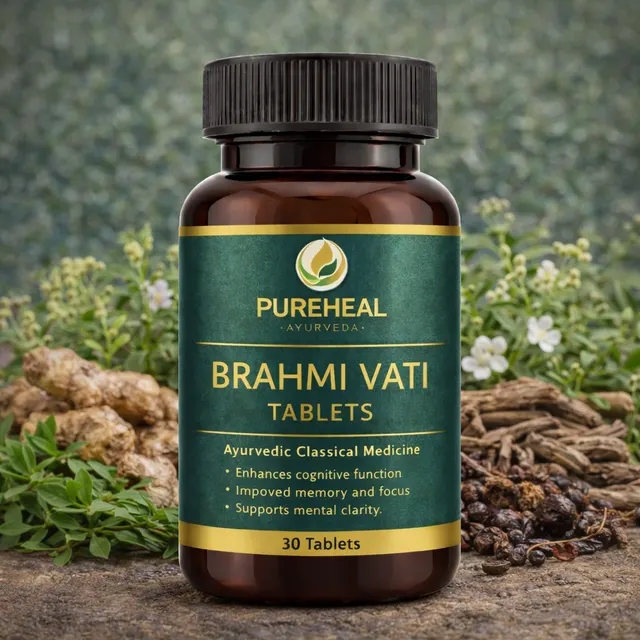
Brahmi is available as fresh juice (swarasa), powder (churna), Brahmi Vati (tablets), Brahmi ghrita (medicated ghee), syrups and oils. Tablets are convenient and give a consistent dose — PureHeal stocks classical Brahmi Vati Tablets.
General guidance:
- Take it after food. Brahmi can upset an empty stomach for some people.
- Be consistent. Research effects appear after several weeks of regular use.
- Follow the label dose and don't combine several Brahmi products.
- For children and teenagers, please consult a paediatrician or qualified Ayurvedic doctor before giving any herbal product.
Brahmi or ashwagandha — which one?
People often ask which of the two "mind herbs" they should choose. In traditional terms:
| Brahmi | Ashwagandha | |
|---|---|---|
| Main traditional focus | Memory, learning, mental clarity | Stress, strength, sleep, vitality |
| Nature (Ayurveda) | Cooling, calming | Warming, grounding |
| Doshas traditionally balanced | Vata and Pitta | Vata and Kapha |
| Best-studied area | Attention and memory | Stress and sleep |
Someone who feels mentally foggy and forgetful may lean towards Brahmi, while someone who feels drained, anxious and depleted may lean towards ashwagandha. Ayurvedic doctors sometimes combine them. But this is a decision best made with a qualified practitioner who knows your health history and medicines — and neither herb replaces good sleep, food and study habits.
Side effects and cautions
Brahmi is generally well tolerated, but reported side effects include nausea, stomach cramps, loose stools and dry mouth, especially on an empty stomach. Be cautious and ask a doctor first if you:
- Are pregnant or breastfeeding
- Have thyroid conditions, slow heart rate, stomach ulcers or asthma/lung conditions
- Take thyroid medicine, sedatives, antidepressants, anti-seizure or Alzheimer's medicines
- Are scheduled for surgery
An Ayurvedic routine for exam season
Herbs are the smallest part of the picture. This simple routine — rooted in Ayurvedic dinacharya — will do far more for focus:
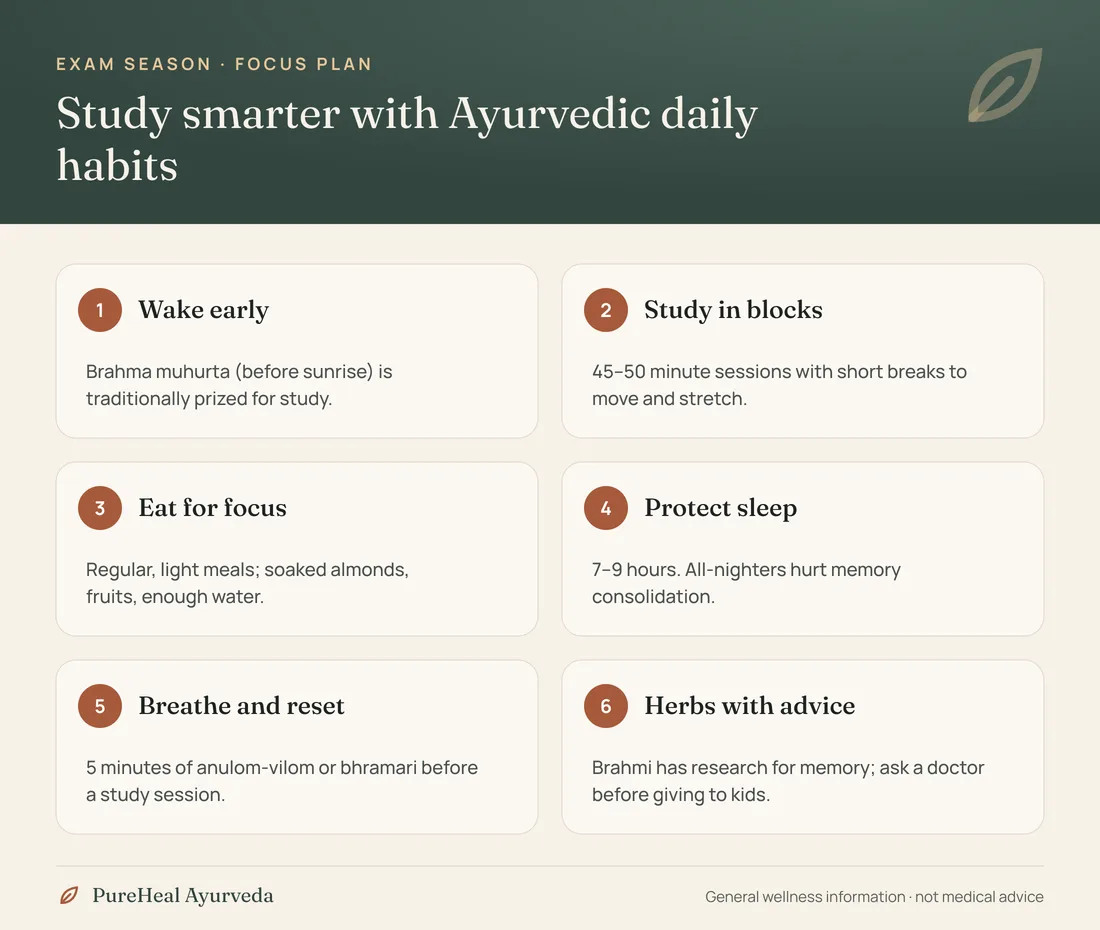
- Wake early. Ayurveda prizes brahma muhurta (the hour-and-a-half before sunrise) as the calmest time for study. Even waking at a consistent time matters more than the exact hour.
- Study in focused blocks of 45–50 minutes, then take a 5–10 minute break to stretch, walk or drink water.
- Eat regular, light meals. Heavy, oily food makes you drowsy. Soaked almonds, walnuts, fruits, dal-rice, khichdi and curd at lunch are good study-time foods.
- Protect sleep. Memories consolidate during sleep. Pulling all-nighters before exams usually backfires.
- Breathe. Five minutes of anulom-vilom or bhramari before a study session can help settle a scattered mind.
- Move daily. A 20-minute walk or a few rounds of surya namaskar improve alertness.
- Limit phone distractions. Keep the phone in another room while studying.
For parents: the calmest thing you can give a child during exams is a predictable routine, good food and reassurance.
Frequently asked questions
What is Brahmi good for?
Brahmi (Bacopa monnieri) is Ayurveda's classic herb for the mind. It is traditionally used for memory, concentration and calming stress, and research suggests modest benefits for some aspects of cognition with regular use over several weeks.
How long does Brahmi take to work?
Most studies measured effects after 8 to 12 weeks of regular use. It is not a quick fix for the night before an exam.
Can students take Brahmi Vati?
Some older students use Brahmi under guidance, but please consult a paediatrician or qualified Ayurvedic doctor before giving any herbal product to children or teenagers, and follow the dose they advise.
Is Brahmi the same as gotu kola?
Not exactly. In most of India, Brahmi refers to Bacopa monnieri. Gotu kola (Centella asiatica, mandukaparni) is a different herb that is sometimes also called brahmi in some regions. Check the botanical name on the label.
Sources
- Kongkeaw C et al. (2014). Meta-analysis of randomized controlled trials on cognitive effects of Bacopa monnieri extract. J Ethnopharmacol.
- Valotto Neto LJ et al. (2024). Investigating the neuroprotective and cognitive-enhancing effects of Bacopa monnieri: a systematic review. Antioxidants (Basel).
- NCCIH — Ayurvedic Medicine: In Depth
- NHS — Stress, anxiety and mental health



Keep reading
Related articles
Herbs & formulations
Ashwagandha Benefits: What Ayurveda and Research Say About Stress, Sleep & Strength
India's most famous adaptogen is everywhere — gummies, powders, drops. Here is what ashwagandha can (and can't) do, in plain language.

Sleep & stress
Can't Sleep? 10 Ayurvedic Tips for Better Sleep, Naturally
Late-night scrolling, racing thoughts, 3 am wake-ups — Ayurveda calls it a Vata problem. Here is a calm, practical routine to help you sleep better.

Seasonal wellness
How to Boost Immunity in Winter the Ayurvedic Way: 10 Daily Habits
Winter is the season Ayurveda calls the time of strength. Here is how to use it well — with food, routine, movement and a few trusted kitchen herbs.